
Directory Listings and Backlinks in 2026: What Still Works
If you've tried "directory submissions" before and saw little to no impact, you're not alone. In 2026, the directory landscape is split into two worlds:
- High-trust, widely-used platforms that function as real business identity and discovery layers (and often drive actual leads).
- Low-quality, mass-submitted directories that exist mainly to sell listings or publish thin pages—signals Google has learned to discount (and, in some cases, treat as manipulative).
That's why, for most businesses—especially those burned by past "submission services"—manual submissions to a short list of reputable, free directories are the best starting point.
Why Manual Free Submissions Are Usually the Better First Move
Quality Beats Quantity (By a Lot)
Google's modern systems are good at identifying templated directory pages, syndicated listings, and unnatural link patterns. Automated blasts to hundreds of sites tend to produce links that are:
- Low-trust
- Irrelevant
- Duplicated across networks
- Disconnected from real user behavior
Manual submissions let you choose platforms that are actually used, keep your data accurate, and create legitimate citations that reinforce brand/entity consistency.
You're Building Entity Credibility, Not "Link Juice"
A directory listing shouldn't be treated like a magic backlink button. The real value is more foundational:
- Entity signals: Your business exists, is verifiable, and is consistent
- Local trust signals: Reviews, categories, service areas
- Discovery and conversions: People actually search these platforms
- Indexing support: More pathways for crawlers to find newer sites
Backlinks may be a bonus—but they're rarely the entire point.
Low Risk, High Control
When you do it manually, you control:
- The categories you appear in
- Your description (positioning matters)
- The exact URL you point to
- Whether the listing stays accurate over time
It's slower than automation, but it's safer—and usually more effective.
Set Realistic Expectations
Even the best listings typically won't create instant ranking jumps on their own. Think of directories as infrastructure:
- They help you look legitimate
- They support local and brand discovery
- They reduce "who are you?" ambiguity for both users and search engines
The real compounding gains come when listings support a broader strategy: strong pages, clear service positioning, internal linking, reviews, and content that satisfies search intent.
The Free Directories That Still Matter in 2026
Focus on tier-1 platforms first—these are high-trust, widely used, and foundational for local and branded search.
Tier 1: Non-Negotiables
| Platform | Domain Authority | Notes |
|---|---|---|
| Google Business Profile | ~100 | Essential for local visibility and trust |
| Bing Places | High | Often overlooked; still worth claiming |
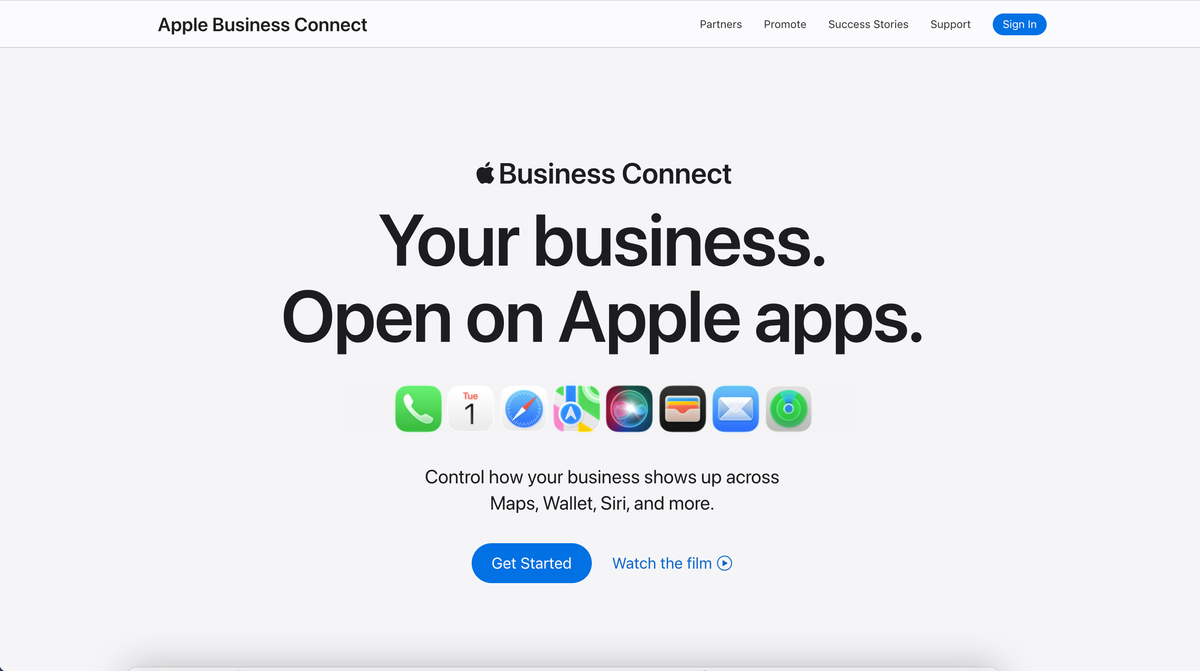
| Apple Business Connect | ~99 | Critical for Apple Maps and iOS discovery |
Tier 1.5: Major Discovery and Trust Platforms
| Platform | Domain Authority | Notes |
|---|---|---|
| Yelp | ~92+ | Strong for local services |
| Facebook Business Page | ~94+ | Social proof and discovery |
| LinkedIn Company Page | ~99 | B2B credibility |
| Trustpilot | ~92 | Important if reviews are part of your buying cycle |
Tier 2: Useful for Citations and Secondary Discovery
| Platform | Domain Authority | Notes |
|---|---|---|
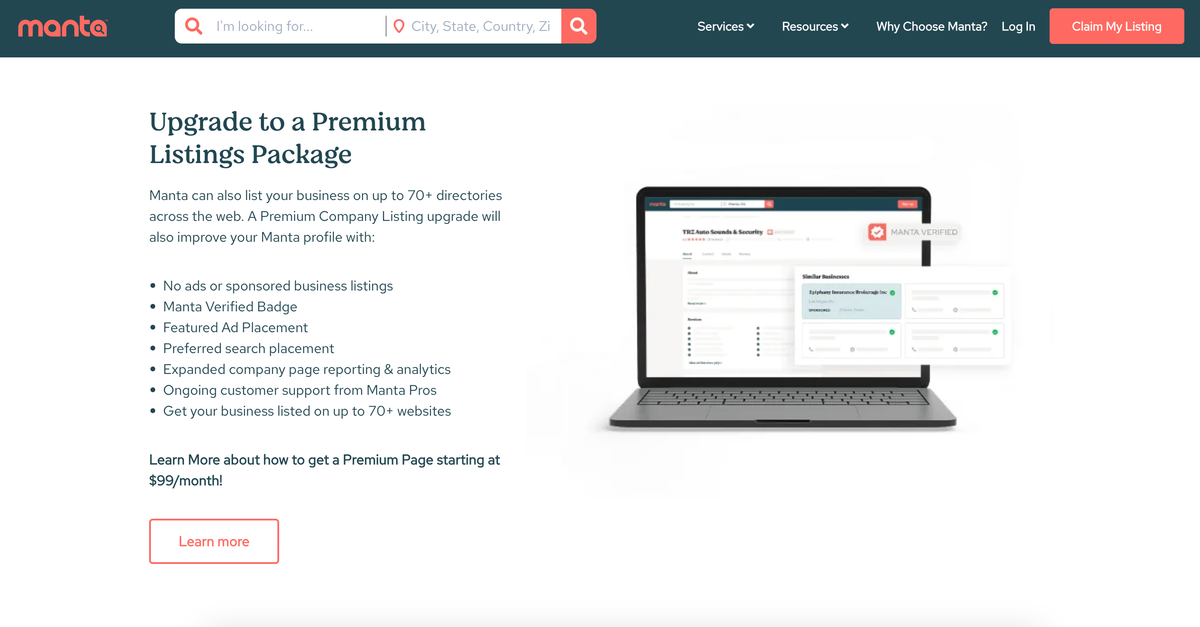
| Manta | ~88 | Frequently dofollow |
| Foursquare | ~92 | Dofollow in many cases |
| MapQuest | ~92 | Geographic discovery |
| Hotfrog | Moderate | Local citation value |
| YellowPages | Moderate | Traditional but still indexed |
| BBB.org | High | Trust-building, region-dependent |
A good rule: Prioritize platforms where real people search, compare, or validate businesses—not sites that only exist to host thin listings.
How to Do Directory Listings the Right Way
When you claim or create a listing, aim for completeness—not minimal compliance.
Business Information
- Use one canonical business name (don't keyword-stuff it)
- Match NAP exactly across platforms (Name, Address, Phone)
- Choose the most accurate primary category, then add relevant secondary categories
Description and Content
Write a human-first description that clearly states:
- Who you help
- What you do
- Where you operate
- What makes you different
Visual Assets
- Add your logo
- Include real operational photos if applicable
- Keep branding consistent across platforms
Link Strategy
Link to the best destination:
- Usually your homepage for brand/entity reinforcement
- Or a highly relevant service/location page if the platform supports it naturally
Tracking
Monitor outcomes in Google Search Console (brand queries, discovery, clicks), plus call/form tracking if you have it.
Paid Directory Services: When They're Worth It
Paid can be worthwhile—but only under the right conditions.
When Paid Makes Sense
- You need faster approvals or less manual overhead
- You want premium placement in a directory people actually use
- You're in a niche where industry directories drive real leads (not just links)
- You're scaling and want operational consistency without cutting corners
When Paid Isn't Worth It
- It's a "submit to 300 directories" package
- The vendor can't tell you exactly where you'll be listed
- The placements are mostly thin, obscure, or duplicated networks
- The value proposition is "more backlinks" rather than "more qualified discovery"
The blunt truth: Most cheap mass-submit tools replicate the same low-quality patterns that caused bad results in the first place.
The Smarter Hybrid Approach
A practical strategy:
- Manual tier-1 free listings first, done properly
- Test 1-2 targeted paid options that are clearly niche-relevant or conversion-oriented (not "generic SEO submissions")
Our Recommendation (Especially If You've Been Burned Before)
If past directory efforts didn't work, don't assume "directories are dead." Assume the approach was wrong.
The Action Plan
Step 1: Start with manual tier-1 listings (Google, Bing, Apple + the big trust/discovery platforms)
Step 2: Fully optimize each profile with complete, accurate information
Step 3: Give it 1-3 months and watch:
- Branded impressions/clicks
- Local visibility
- Referral traffic
- Lead quality
Step 4: If you want more reach, experiment carefully with niche directories or a small number of vetted paid placements
Common Mistakes to Avoid
Mistake 1: Inconsistent NAP
Different name, address, or phone formats across directories confuse search engines and reduce entity trust.
Mistake 2: Keyword-Stuffed Business Names
"Joe's Plumbing - Best Plumber in Austin TX Emergency Plumbing Services" isn't your business name. This looks spammy and can get listings suspended.
Mistake 3: Neglecting Listings After Creation
Outdated information, closed businesses, wrong hours—these hurt trust. Audit quarterly.
Mistake 4: Focusing on Quantity Over Quality
100 listings on obscure directories are worth less than 10 listings on platforms people actually use.
Mistake 5: Expecting Immediate Results
Directory signals build over time. This is foundational work, not a quick win.
The Bottom Line
Directories aren't dead—but they're subtle helpers now. The value isn't raw backlinks. It's entity credibility, local discovery, and trust signals.
The formula that works in 2026:
- Manual submissions to reputable platforms
- Complete, accurate profiles
- Consistent NAP across all listings
- Patience while signals compound
Combined with strong on-page content and a real SEO strategy, directory listings do their part. They're not the game-changer—but they're part of the foundation that makes game-changers possible.
Want a website with proper schema markup and citation-ready structure built in? Get a free preview of your AI-powered site.